
Ask ten different mechanics how long a car engine lasts and you’ll get ten different answers. The truth is that engine lifespan isn’t fixed; it depends heavily on the vehicle you drive, how you maintain it, and how you use it.
What we do know is that engines are lasting longer than ever before. Advances in materials, manufacturing tolerances, and lubrication technology mean that a well-maintained modern engine can go far beyond what was possible even a generation ago. Understanding what drives engine longevity, and what shortens it, puts you in control of how long your engine lasts.
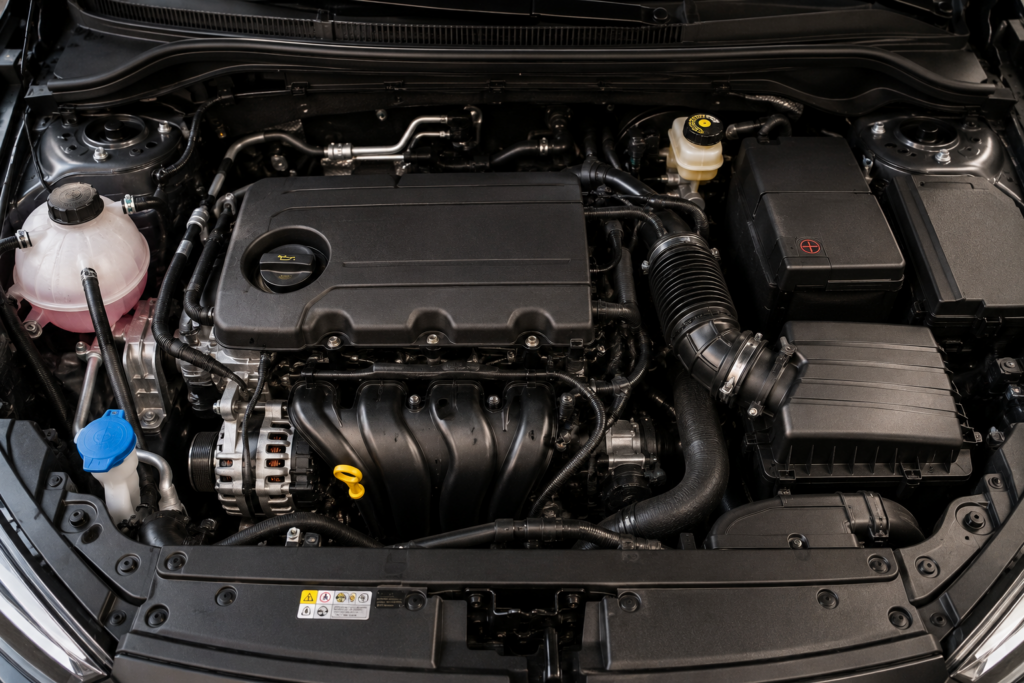
How Long Do Car Engines Last on Average?
The short answer: most modern engines are built to last 150,000 to 200,000 miles with proper maintenance. According to Consumer Reports, cars today can last well beyond 100,000 miles, with properly maintained vehicles from reliable brands capable of reaching 200,000 miles or more.
That’s a significant improvement over previous generations. At the start of the 21st century, the average vehicle lifespan was around nine years. By 2024, the typical vehicle stays on the road for 12.6 years, a gain of over 40%.
Some engines, particularly in vehicles known for reliability, regularly surpass 300,000 miles. Toyota and Honda engines in particular have a well-documented history of exceptional longevity when properly maintained.
What Determines How Long an Engine Lasts?
No two engines age at exactly the same rate. Here are the factors that matter most:
Maintenance History
This is the single biggest factor in engine longevity by a wide margin. An engine that receives regular oil changes, cooling system service, air filter replacements, and other scheduled maintenance will outlast a neglected engine of the same make and model by tens of thousands of miles, sometimes more.
Oil is the lifeblood of your engine. When it degrades or runs low, the friction and heat it normally prevents can cause accelerated wear on bearings, camshafts, and other critical components. Regular oil changes at the correct interval for your vehicle and oil type are the single most impactful thing you can do to extend engine life.
Driving Habits
How you drive directly affects how long your engine lasts. Engines that are regularly subjected to hard acceleration, high RPMs, and aggressive driving wear faster than those driven smoothly and conservatively.
Cold starts are also harder on engines than many drivers realize. When an engine is cold, oil hasn’t fully circulated and components haven’t expanded to their operating tolerances. Letting your engine warm up briefly before driving aggressively, particularly in cold weather, reduces wear over time.
Short trips that never allow the engine to reach full operating temperature are another longevity concern. Frequent cold starts without the engine fully warming up allows moisture and contaminants to accumulate in the oil without being burned off.
Make and Model
Some engines are simply built to last longer than others. Japanese automakers, particularly Toyota and Honda, have historically produced engines with exceptional longevity records. Certain German brands produce high-performance engines that are capable of very high mileage but require more precise maintenance to get there.
Research the reliability history of any vehicle you’re considering, particularly for the specific engine variant. Some powertrains within the same model line have significantly better longevity records than others.
Operating Conditions
Extreme temperatures, dusty environments, and regular towing or hauling all place additional stress on an engine and can shorten its lifespan if not accounted for in your maintenance schedule. Vehicles operating in these conditions typically need more frequent oil changes, air filter replacements, and cooling system service.
Signs Your Engine May Be Wearing Out
Even well-maintained engines eventually show signs of age. Here are the indicators that your engine is accumulating significant wear:
Excessive oil consumption: If you’re regularly adding oil between changes, your engine’s piston rings or valve seals may be worn, allowing oil to burn off into the combustion chamber.
Blue smoke from the exhaust: A telltale sign that oil is burning inside the engine, often related to worn piston rings or valve seals.
White smoke from the exhaust: Can indicate coolant entering the combustion chamber, often due to a failing head gasket: a serious and potentially expensive issue.
Knocking or ticking noises: A rhythmic knocking from the engine often indicates worn bearings. A persistent ticking can signal issues with the valve train or low oil pressure. Neither should be ignored.
Loss of power or reduced performance: As internal components wear, an engine loses efficiency. If your car feels noticeably less responsive than it used to, wear may be a contributing factor.
Overheating: Repeated overheating events accelerate engine wear significantly. If your temperature gauge is regularly running high, address the underlying cause immediately.
Increased fuel consumption: A worn engine has to work harder to produce the same output, which often shows up as reduced fuel economy.
The 100,000-Mile Milestone
For decades, 100,000 miles was considered the beginning of the end for a car engine. That’s no longer true. With proper maintenance, most modern engines are barely broken in at 100,000 miles.
That said, the 100,000-mile mark is a good prompt to perform some key preventative maintenance items that are often overlooked:
- Timing belt replacement (if applicable; not all engines have timing belts): A failed timing belt can cause catastrophic engine damage. Check your owner’s manual for the recommended replacement interval.
- Spark plug replacement: Worn spark plugs reduce efficiency and can cause misfires that stress the engine.
- Coolant flush: Old coolant loses its anti-corrosion properties and can cause internal damage to the cooling system.
- Transmission fluid service: Often overlooked, but critical to the long-term health of your drivetrain.
How to Maximize Your Engine’s Lifespan
The steps to a long-lasting engine aren’t complicated. They’re mostly a matter of consistency:
Follow your manufacturer’s maintenance schedule. Your owner’s manual contains a service schedule tailored to your specific engine. Following it is the foundation of engine longevity.
Use the correct oil and change it on time. Never use a lower-quality oil than your manufacturer specifies, and don’t stretch oil change intervals beyond what’s recommended.
Address warning signs promptly. Small engine problems become large ones when ignored. A knocking noise or oil leak that’s addressed early rarely becomes a catastrophic failure.
Keep your cooling system in good shape. Overheating is one of the fastest ways to shorten engine life. Regular coolant checks and timely thermostat and water pump replacements keep temperatures where they should be.
Warm up before driving hard. Give your engine a minute or two to circulate oil and reach operating temperature before putting it under heavy load, particularly in cold weather.
Don’t ignore the check engine light. It exists for a reason. Get the codes pulled and address whatever it’s flagging.
When Is an Engine Beyond Saving?
Even well-maintained engines eventually reach a point where repair costs outweigh the vehicle’s value. Signs that an engine may be approaching end of life include:
- A spun bearing or seized engine requiring full replacement
- Significant coolant in the oil (milky, foamy oil), indicating a catastrophic head gasket failure
- A cracked engine block — generally not economically repairable
- Accumulated repair estimates that approach or exceed the vehicle’s market value
Engine replacement is one of the most expensive repairs a vehicle can require, with costs ranging from $3,000 to $8,000 or more depending on the vehicle. At that point, a careful cost-benefit analysis – repair vs. replacement vs. trade-in – is warranted.
Protecting Your Engine With Complete Auto Protect
Even a well-maintained engine can fail unexpectedly. Wear, manufacturing variances, and the simple reality of mechanical complexity mean that engine problems can occur even in vehicles with excellent maintenance histories.
A vehicle service contract from Complete Auto Protect can cover major engine failures and a wide range of other mechanical breakdowns so that when the unexpected happens, you’re not facing that bill alone. Coverage is flexible, customizable to your needs, and valid at any ASE-certified shop or dealership.
Get a free quote from Complete Auto Protect today.
The Bottom Line
Modern engines are remarkably capable of lasting 200,000 miles and beyond — but only with the maintenance they need. Oil changes, cooling system care, attentive driving, and prompt attention to warning signs are the formula for a long-lived engine.
Treat your engine well, and it will return the favor for years to come.