
The Chevrolet Silverado is one of the most popular trucks in America, consistently trading places with the Ford F-150 at the top of the sales charts. It’s a capable, comfortable, and well-rounded full-size pickup that has earned a loyal following among contractors, families, and truck enthusiasts alike.
But like any high-mileage workhorse, the Silverado has its known weak points. Whether you already own one or are shopping for a used example, understanding the common reliability concerns by generation can help you make smarter decisions and avoid costly surprises.
Here’s what Silverado owners need to know.
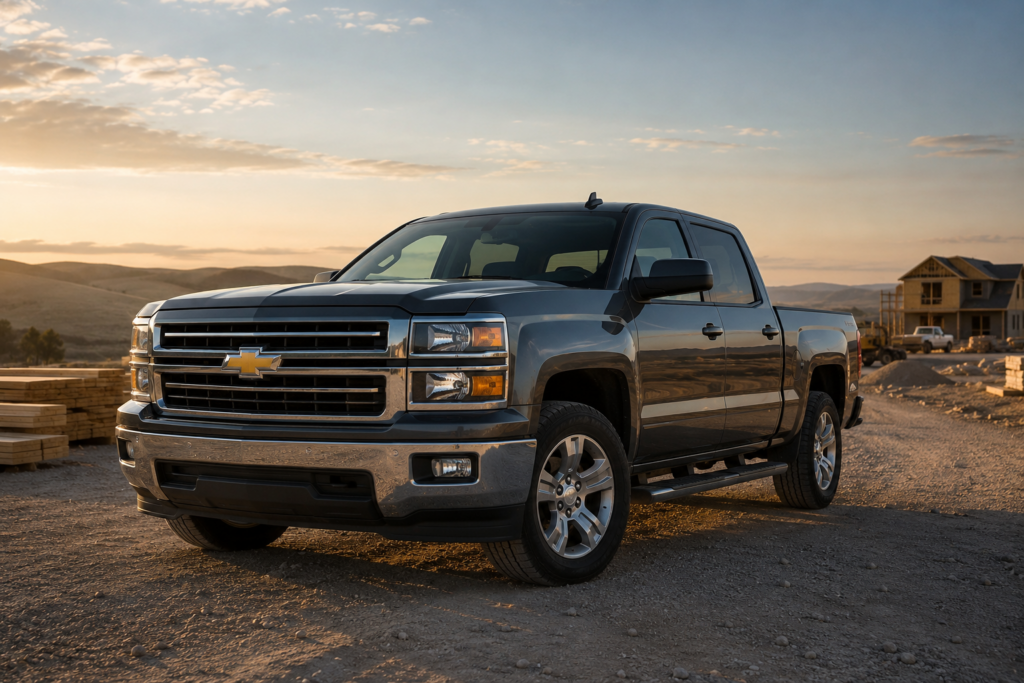
A Brief Overview of Silverado Generations
Before diving into specific issues, it helps to know which generation you’re dealing with:
- GMT800 (1999–2006): The classic body style. Proven powertrains but aging now.
- GMT900 (2007–2013): Refined and well-regarded. One of the stronger generations for long-term reliability.
- K2XX (2014–2018): Introduced new engines but came with some early teething problems.
- T1XX (2019–present): The current generation. Mostly positive reviews but some ongoing complaints.
1. AFM/DOD Engine Problems (2007–2021)
This is arguably the most significant and widespread Silverado reliability issue of the past two decades. General Motors’ Active Fuel Management system, also called Dynamic Fuel Management or AFM/DOD, was designed to improve fuel economy by deactivating cylinders during light-load driving. In practice, it became one of the most complained-about features in Silverado history.
The system relies on lifters that collapse to deactivate cylinders. These lifters (and the camshaft lobes that actuate them) are prone to failure, particularly on higher-mileage trucks. When they go, the result is a significant engine repair that can cost anywhere from $2,000 to $4,000 or more. Many owners have proactively disabled the AFM system entirely to prevent the issue from occurring.
What to watch for: A ticking or knocking noise from the engine, an illuminated check engine light with codes related to cylinder deactivation, oil consumption, or a noticeable misfire.
2. Oil Consumption
Related to the AFM issue above, excessive oil consumption is a common complaint on Silverados equipped with the 5.3-liter V8, particularly those from the 2014–2018 generation. The AFM system’s collapsing lifters and valve seals can allow oil to burn off into the combustion chamber, leading to owners needing to add oil between changes.
Left unmonitored, this can accelerate engine wear and lead to more serious damage over time.
What to watch for: Oil levels dropping between scheduled changes, blue smoke from the exhaust, or a burning smell from the engine bay.
3. Transmission Problems (8-Speed Automatic)
The 8-speed automatic transmission introduced on the 2015 Silverado attracted significant complaints from owners, particularly in the early model years. Reported issues included rough shifting, shuddering, hard downshifts, and the transmission hunting between gears at highway speeds.
General Motors issued multiple software updates and technical service bulletins to address the problems, and later model years improved considerably. However, early 2015–2016 examples with the 8-speed are worth test driving carefully before purchase, paying close attention to shift quality across the full RPM range.
What to watch for: Rough or jerky gear changes, shuddering during acceleration, hesitation when downshifting, or the transmission seeming to search for the right gear.
4. Electrical and Infotainment Issues
Electrical gremlins have been a recurring theme across multiple Silverado generations. Owners have reported problems with power windows, door locks, instrument cluster failures, and erratic behavior from the infotainment system. The MyLink infotainment system in 2014–2018 models drew particular criticism for freezing, rebooting unexpectedly, and losing Bluetooth connections.
While these issues are generally more annoying than mechanically serious, instrument cluster failures can be costly to repair and may affect the accuracy of critical readings like fuel level and speed.
What to watch for: Flickering or blank instrument cluster, infotainment system freezing or rebooting, power accessories working intermittently, or warning lights that appear without cause.
5. Brake Issues
Brake wear and rotor warping are consistent complaints among Silverado owners, particularly those who use their trucks for towing or hauling. The factory brake pads and rotors on many Silverado models wear faster than owners expect, and warped rotors, producing a pulsing sensation under braking, are a frequent complaint.
Owners who regularly tow or carry heavy loads should consider upgrading to heavier-duty brake components, as the factory setup isn’t always adequate for hard working conditions.
What to watch for: A pulsing or vibrating sensation when braking, squealing or grinding noises, longer stopping distances than usual, or a brake pedal that feels soft or spongy.
6. Steering Issues (2007–2013 GMT900)
The GMT900 generation Silverado – otherwise one of the more reliable generations – had a known issue with the steering shaft intermediate shaft, commonly called the “clunk” problem. Owners reported a clunking or popping noise when turning the steering wheel at low speeds, particularly when parking or making tight turns.
GM issued a technical service bulletin for the issue, and the fix – replacing the intermediate steering shaft – is relatively straightforward. But on older trucks that haven’t had this repair done, the problem may still be present.
What to watch for: A clunking, popping, or creaking noise from the steering column when turning at low speeds.
7. Rust and Corrosion
Silverados driven in northern states where road salt is used heavily are particularly susceptible to rust on the frame, undercarriage, and body panels. Frame rust was serious enough on certain model years that GM extended warranties and issued buybacks in some cases.
The 2007–2013 generation in particular has been flagged for frame corrosion issues in rust-prone regions. Before buying any used Silverado from this era, especially one that spent its life in a northern state, a thorough undercarriage inspection is essential.
What to watch for: Visible rust on the frame rails, undercarriage, or around the wheel wells. Surface rust is common and manageable; structural rust is a different matter entirely.
8. Fuel System and Throttle Body Issues
Throttle body problems have been reported across several Silverado generations, causing symptoms like rough idling, hesitation, and stalling. Carbon buildup in the throttle body is a common culprit on higher-mileage trucks, and cleaning or replacing the throttle body is a relatively affordable fix when caught early.
Fuel pump failures have also been reported on older Silverados, particularly those from the GMT800 generation approaching or past 150,000 miles.
What to watch for: Rough or erratic idle, hesitation when accelerating from a stop, stalling, or a check engine light with throttle-related codes.
Which Silverado Model Years Are Most Reliable?
Strong choices: The 2009–2013 GMT900 generation is widely regarded as one of the most dependable Silverados ever built, with a proven 5.3L V8 and relatively few major complaints. The 2019–present T1XX generation has also received generally positive reliability scores, with improvements to the AFM system and transmission.
Approach with caution: 2014–2016 models with the 8-speed transmission and early AFM issues warrant extra scrutiny. 2007–2013 trucks from rust-prone states should have a thorough undercarriage inspection before purchase.
What These Problems Mean for Your Wallet
The AFM lifter issue is the one that keeps Silverado owners up at night, and for good reason. A lifter failure on a 5.3L V8 can turn into a $3,000–$5,000 repair quickly, and it’s become common enough that it’s almost an expected maintenance item on high-mileage examples.
Beyond that, transmission work, frame rust repairs, and instrument cluster replacements can each add up to significant bills. Like any full-size truck, the Silverado is capable of lasting well past 200,000 miles – but getting there requires staying ahead of these known issues.
Protect Your Silverado With Complete Auto Protect
Whether you’ve owned your Silverado for years or just picked up a used example, if you’re past the manufacturer warranty period, now is the time to think about what happens when something goes wrong. A vehicle service contract from Complete Auto Protect can cover major mechanical failures – including engine and transmission issues – so you’re not facing those bills on your own.
Get a free quote for your Chevrolet Silverado today.
A Workhorse Truck Deserves Workhorse Protection
The Silverado has earned its reputation as one of America’s most dependable trucks. With proper maintenance and an awareness of its known weak spots, most owners get years and hundreds of thousands of miles of reliable service. Know what to watch for, stay on top of the maintenance, and make sure you’re covered when it counts.